
Fungal nail infection?
Podiatrist led, personalised pathways using advanced nail restoration techniques.
Struggling with unsightly looking nails?
Get clearer, healthier looking nails sooner.
Using an exclusive nail hygiene protocol, we painlessly remove damaged nail and fungal debris allowing treatments to penetrate and work effectively.
25+ years experience, Private appointment only clinic
Accurate diagnosis and a personalised treatment plan to restore healthy nails.
Every fungal nail case is different. Proper diagnosis and targeted treatment are essential for successful long term results.
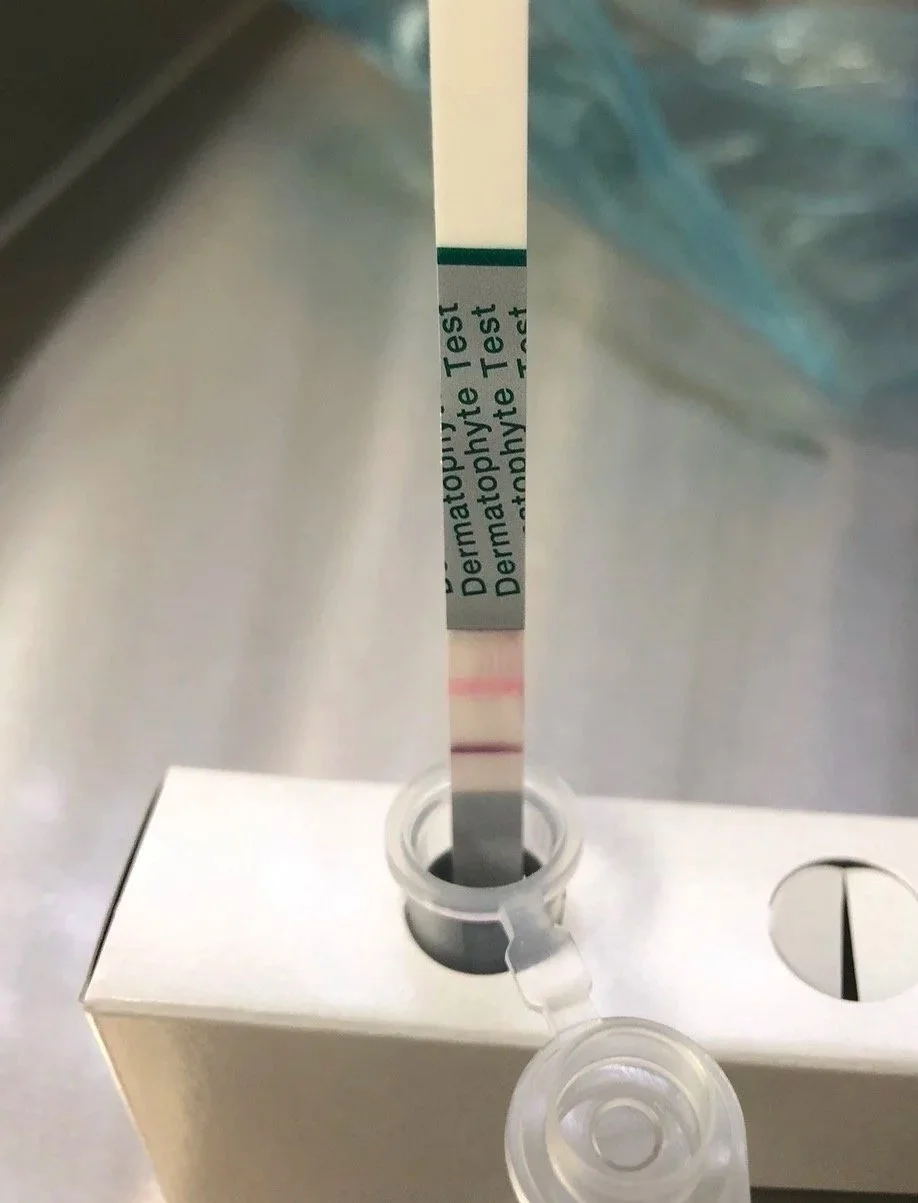
Accurate diagnosis.
Nail samples are collected and tested to identify the exact cause of your nail condition so treatment is targeted and effective.
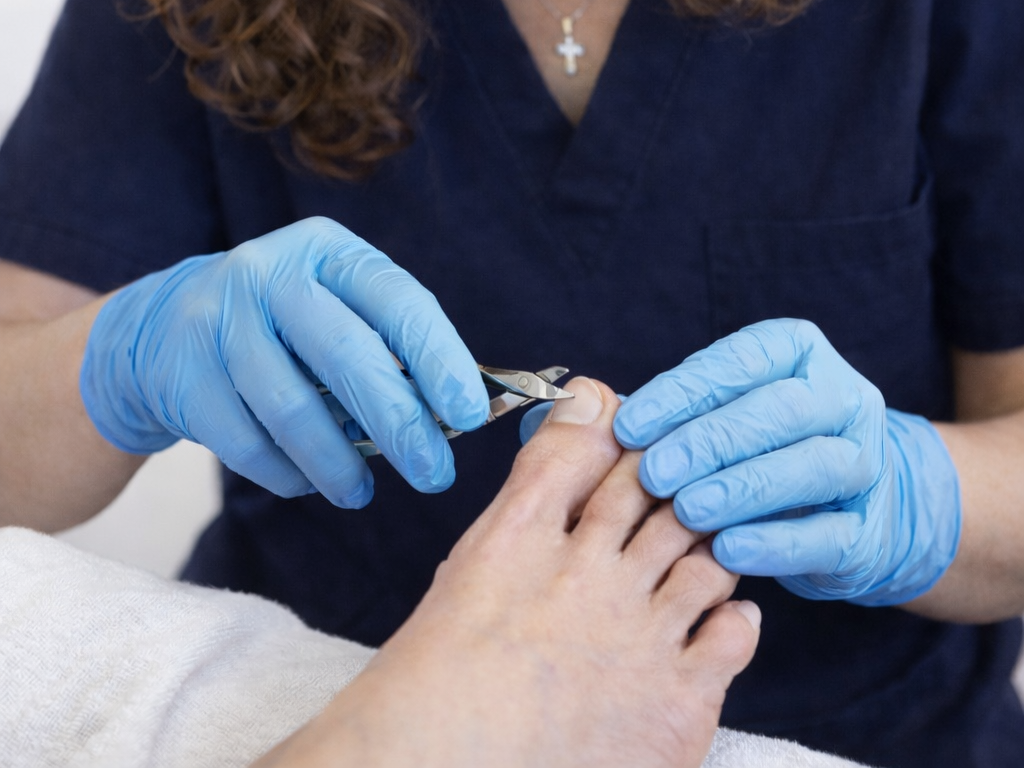
Immediate nail improvement.
Damaged portions of the nail are painlessly reduced using specialised equipment and exclusive techniques to remove fungal debris and improve appearance.
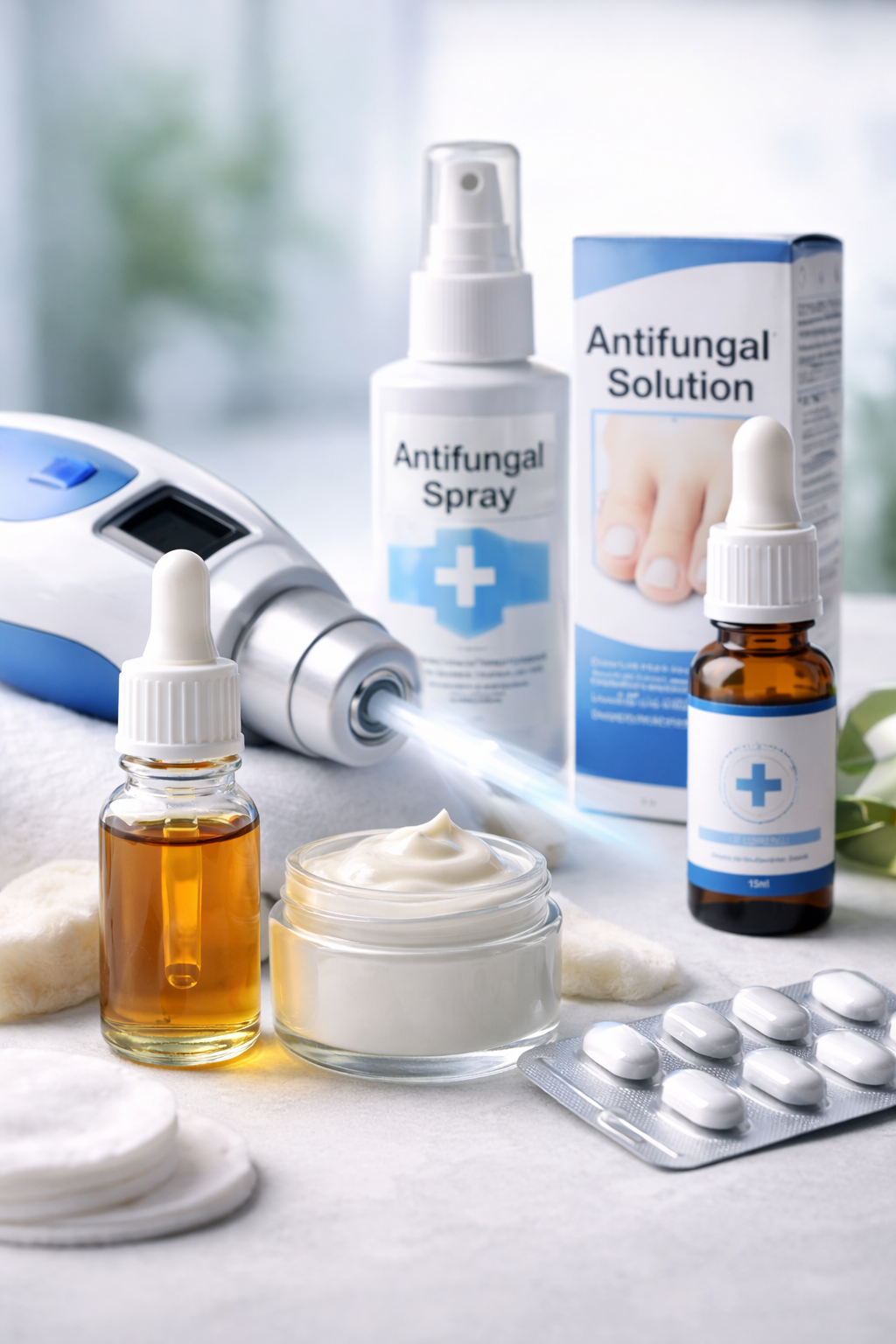
Personalised treatment plan.
Treatment options are tailored to your situation and may include laser therapy, topical treatments or oral medication where appropriate.
Unsure if your nail infection can be treated?
Send a photo for a free nail check or enquire about an appointment.
Your First Appointment: Accurate Diagnosis and a Clear Treatment Plan…
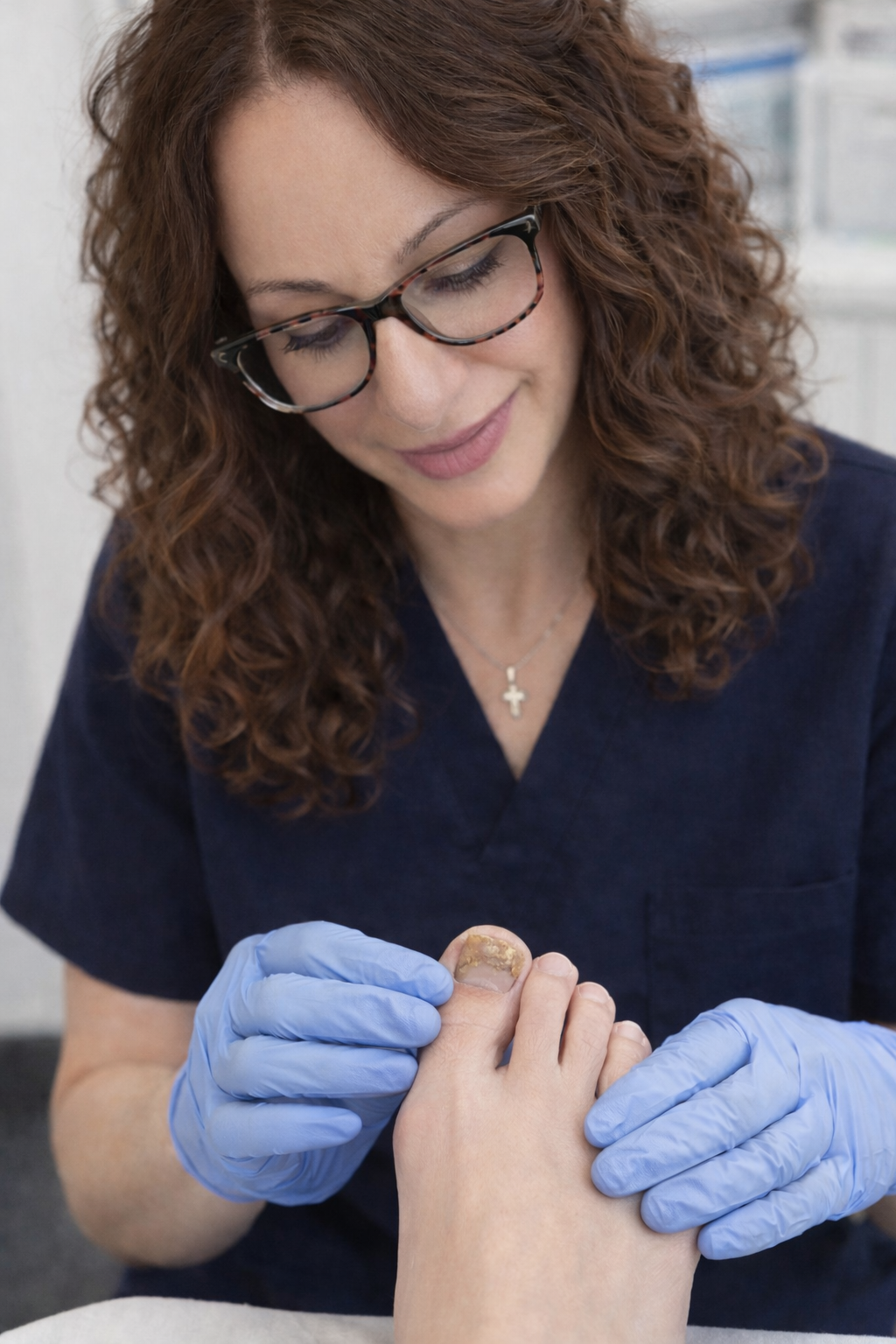
Your first appointment is a comprehensive nail assessment designed to identify the cause of your nail changes and create a targeted treatment plan.
During this consultation, a detailed history and careful examination your nails, surrounding skin and feet will be undertaken to identify contributing factors such as trauma, fungal skin infection, footwear or other underlying issues. Nail samples are often taken for laboratory testing to confirm the diagnosis and ensure the correct treatment is selected.
The affected nails will usually be professionally trimmed and cleaned utilising specialised equipment and techniques to reduce fungal burden and improve nail hygiene and appearance. Most patients leave with the nail looking clearer, cleaner and less discoloured than when they arrived.
Baseline clinical photographs are taken to track progress over time and to ensure that the nails are responding to treatment in a timely manner.
A personalised treatment plan will be created with treatment often beginning at the first visit. Depending on laboratory results and severity, this may include topical therapy, nail reduction or laser therapy . In severe cases, where oral medication may be required, Alison will liaise with your GP to facilitate the process.
A follow-up appointment is typically scheduled 4–6 weeks later to review progress and continue treatment as required.
Nails grow slowly, and restoring nail health can take time. Regular reviews ensure your progress stays on track and allows treatment to be adjusted when needed. Ongoing care helps prevent relapse and supports healthy nail regrowth. With each appointment, you move one step closer to clear, healthy nails.
Expert assessment. Targeted treatment. A clear path to healthier nails.

Principal Clinician: Alison Dalli
Alison Dalli is a podiatrist with over 25 years of clinical experience and a special interest in the treatment of fungal nail infections. She is committed to helping people restore healthy nails and regain confidence in the appearance of their feet.
Many people live with fungal nail infections for years, often trying multiple treatments without success. Alison takes a comprehensive and personalised approach, recognising that successful treatment often requires more than one strategy. Depending on the individual case, this may include specialised nail care, topical treatments, laser therapy, and guidance on medical treatment options to support healthy nail regrowth.
Over many years Alison has developed a strong interest in understanding fungal nail infections and the factors that influence treatment success. She has also completed specialist training in essential oils through the Aromahead Institute, reflecting her broader interest in the safe and appropriate use of natural compounds that may be used in conjunction with pharmaceuticals to support nail and skin health during the recovery phase.
Her focus is to provide thoughtful and informed care, guiding and equipping patients with the tools necessary to achieve healthier nails over time.
Frequently Asked Questions
Still have questions? Take a look at the FAQ or reach out anytime.
-
Many nail conditions can look similar to fungal infection. Trauma, psoriasis and other nail disorders may cause thickening or discolouration that resembles fungus.
During your consultation, the nail and surrounding skin will be carefully assessed. If needed, a small nail sample can be taken for laboratory testing to confirm whether fungus is present. Accurate diagnosis helps ensure the most appropriate treatment is selected.
You should see a podiatrist if your nail has become thickened, discoloured, difficult to cut or painful. Early evaluation helps identify the underlying cause and prevents the condition from becoming more severe. Professional care can also improve nail appearance and make ongoing treatment more effective.
-
Fungal nail infections occur when microscopic fungi invade the nail plate or the skin beneath the nail. This is more likely to occur when nails are damaged, thickened or exposed to warm, moist environments such as sweaty footwear.
Once established, the infection often persists because fungi live underneath and within the nail structure itself.
-
Many fungal nail infections can be successfully managed with the right treatment plan. Toenails grow slowly so treatment typically takes several months. Visible improvement usually occurs as healthy nail grows from the base of the nail and gradually replaces the damaged portion.
Regular reviews are essential for progress to be monitored, for any residual damaged nail to be cleared and for treatment to be adjusted if needed.
Treatment success depends on factors such as the severity of infection, the type of fungus involved, thorough removal of the affected sections of nail and patient adherence to the recommended treatment plan.
-
Relapse can occur if contributing factors are not addressed. These may include fungal skin infections on the feet, stopping treatment too early, remaining damaged sections of nail which often still contain fungal spores, repeated nail trauma or contaminated shoes and socks.
A comprehensive approach that treats both the nail and contributing factors helps reduce the likelihood of recurrence.
-
Some mild infections may respond to self-care measures such as keeping nails short, maintaining good foot hygiene and using appropriate topical antifungal products.
Over-the-counter treatments can help in early or mild infections, but many fungal nail infections are well established by the time they are noticed.
If the nail is quite thickened or discoloured, the fungus is living deep within the nail plate and nail bed, which can make it difficult for topical treatments alone to reach the infection effectively.
In these cases, it is best to consult with a podiatrist who can provide nail reduction and targeted treatment approaches to improve treatment penetration and outcomes.
Early professional advice can also save time and money by helping you avoid ineffective self -treatment ad unecessary spending on products that may not be right for your nail condition.
-
Fungal nail infections rarely resolve on their own. Over time the nail may become thicker, more discoloured and increasingly difficult to manage. The infection can also spread to other nails or the surrounding skin. Early assessment allows treatment to begin before more extensive nail damage occurs.
-
Treatment options may include:
• professional nail reduction or preparation to enhance further treatment
• topical antifungal treatments
• laser therapy
• oral antifungal medication in appropriate casesYour treatment plan will be tailored to the severity and type of infection identified during assessment.
-
Yes, laser therapy is offered by this clinic where deemed appropriate and may be recommended as part of a treatment plan.
Laser works by delivering a specialised medical light through the nail to where the infection lives.
The laser therapy offered at this clinic is a safe, painless, non invasive treatment which helps to clear fungal nail infections and support healthy nail regrowth.
-
In many cases, yes. Thickened or damaged portions of the nail are usually painlessly and professionally trimmed and reduced during the consultation.
This often improves the appearance of the nail immediately, the nail looks clearer, and most importantly fungal burden is reduced, which will help support ongoing treatment.
-
First Appointment: Comprehensive nail assessment and treatment planning: $120- $180 depending on the severity of the infection and complexity of the assessment and treatment.
The first appointment is 40-60 mins in duration and includes:
Detailed nail and skin assessment
Specimen collection for laboratory testing ensuring accurate diagnosis
Professional nail trimming and reduction
Discussion of treatment options
Personalised treatment plan
Ongoing costs depend on the severity of the nail condition, treatment approach chosen, which may include follow-up visits, topical treatments, laser therapy or, in some cases, oral medication.
All costs are discussed clearly during your consultation so you can make an informed decision about your treatment.
If you would like a more accurate idea of the likely cost before booking, you are welcome to send clear photos of your nails through the contact form.
-
A referral is not required to see a podiatrist.
-
Yes. You can send a photo through the contact form if you would like a preliminary opinion on whether treatment may be helpful.
Contact us…
Free nail check: If you are unsure whether your nail condition can be treated, you are welcome to complete the contact form and include a photo of the affected nail(s). This allows Alison to provide a preliminary opinion and advise whether treatment is likely to help.
If you would like to arrange an appointment, please submit an enquiry through the contact form. Nail conditions can vary significantly in severity, and the time required for assessment and treatment differs for each individual case.
For this reason, appointments are organised after an initial enquiry so the appropriate amount of time can be allocated for your assessment and any treatment required.